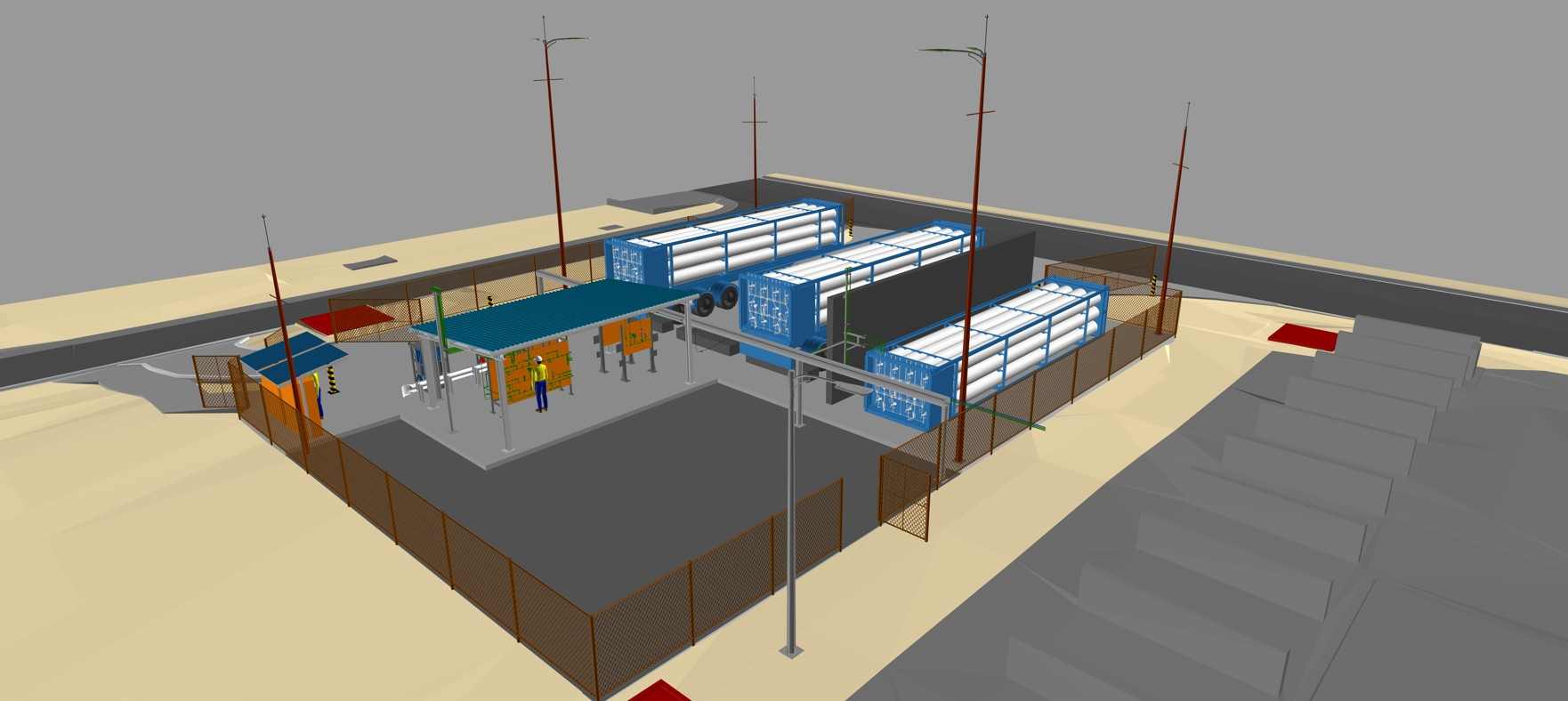
Engineering & Design
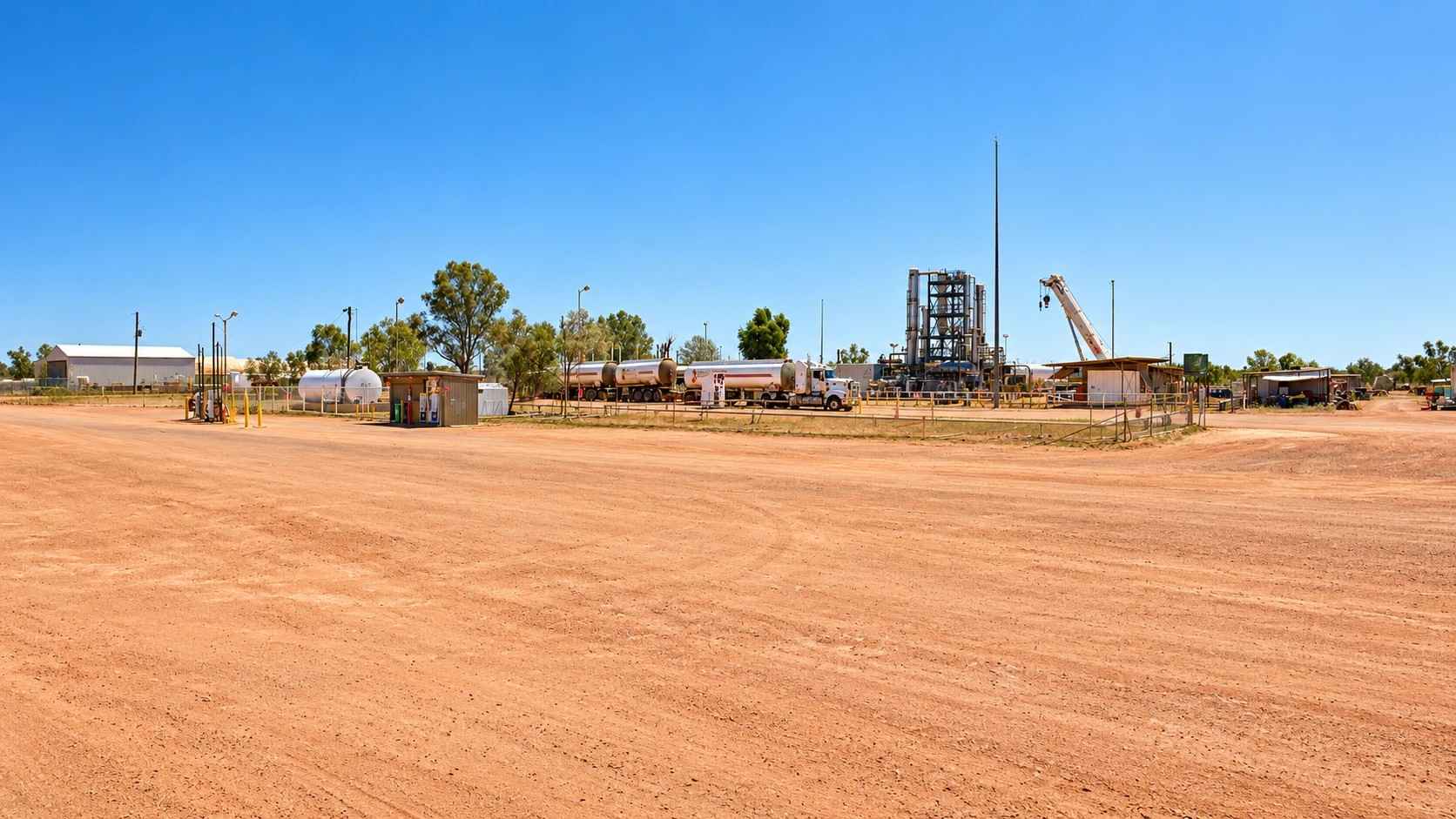
Engineering & Design
Performance and cost modelling of co-fuelling diesel generator sets with hydrogen made from on-site solar at remote oil field sites.
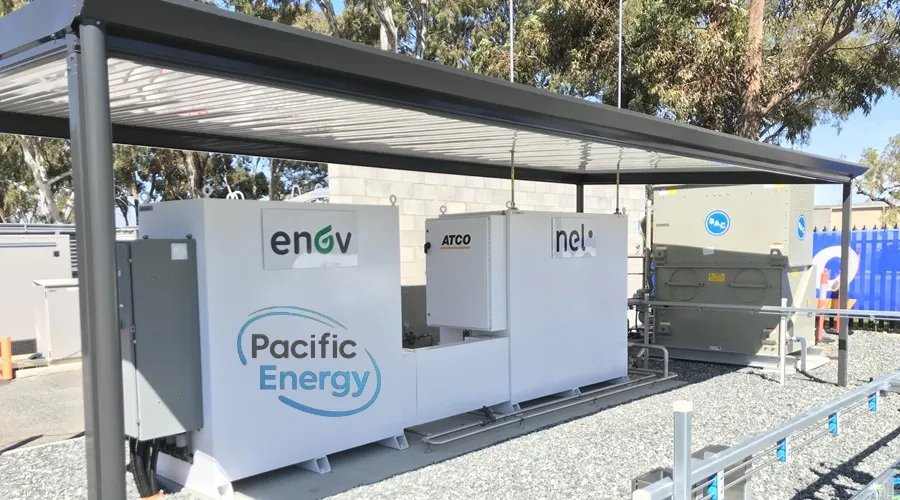
Bridgeport Energy, an oil producer with tenements across Australia, runs remote sites on diesel generator sets. It wanted to know whether co-fuelling those gensets with fuel made on site from solar power could cut diesel use and Scope 1 emissions by about half, and what that would cost compared with diesel alone.
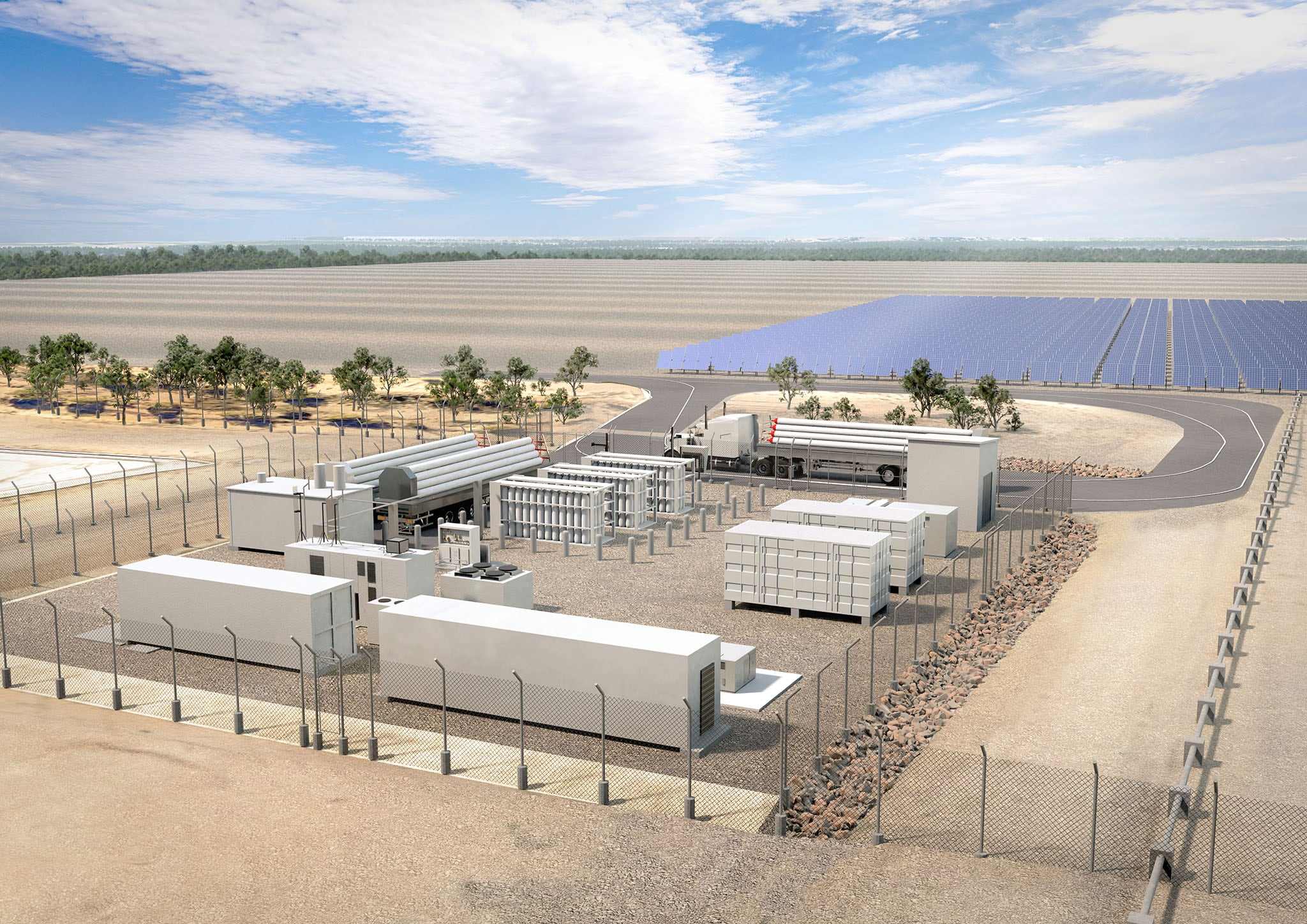
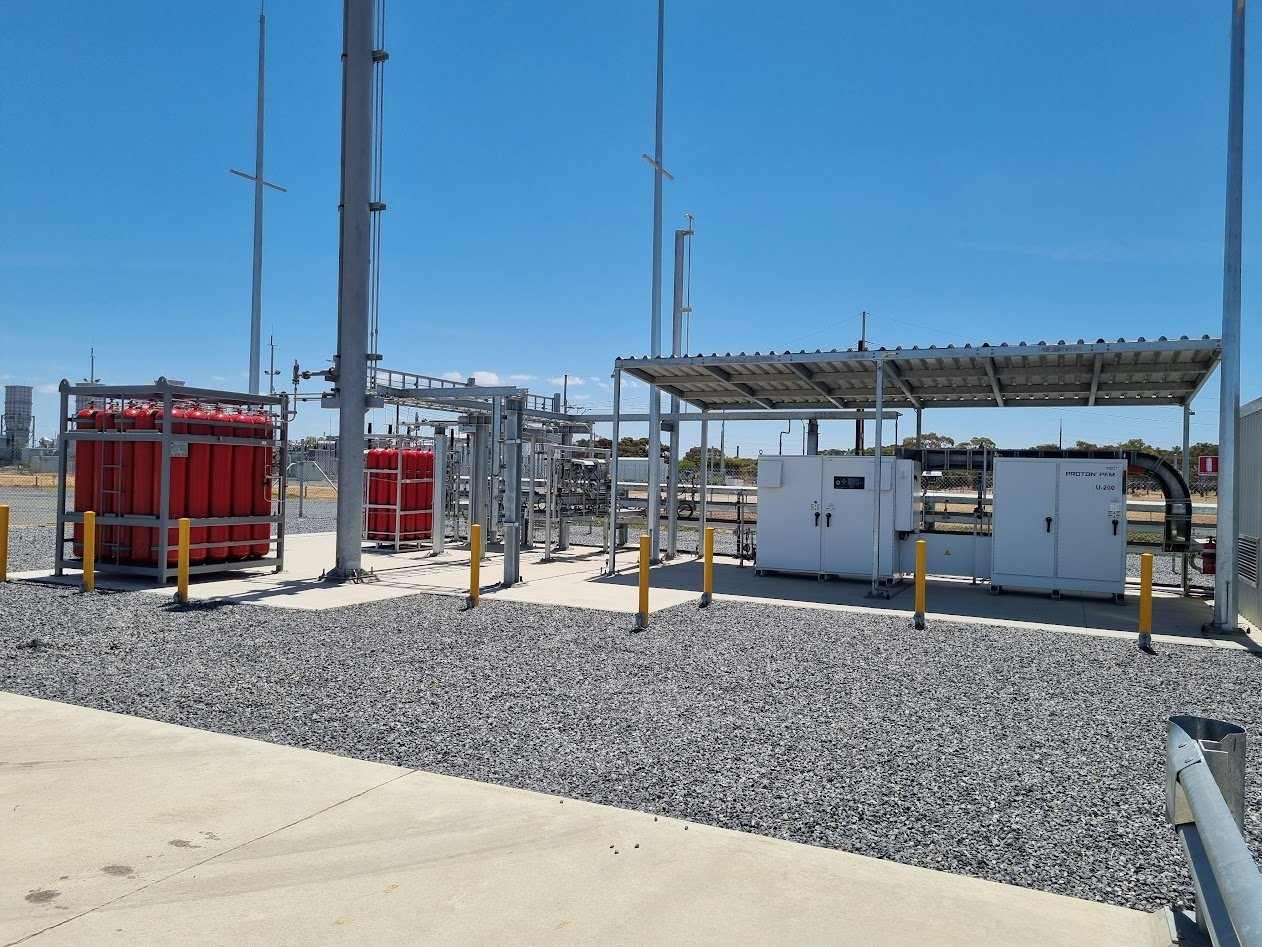
We built an hourly model of a remote microgrid over a full year, tracking energy through solar, battery storage, electrolysis, gas storage and the gensets, using the client's own genset test data for emissions and efficiency. We modelled three site sizes, each with three set-ups (solar dedicated to making fuel, solar serving site loads first with only the excess making fuel, and solar with batteries instead) and optimised each for the lowest cost of energy at about 50% diesel displacement.
Making fuel from dedicated solar was the most expensive option. Serving site loads from solar first and making fuel from the excess was competitive with diesel at higher fuel prices, and solar with batteries was cheapest. Every option avoided more than 500 tonnes of CO2 a year at the smallest site. The study also showed when importing hydrogen could become viable as prices fall.
Engineering & Design
Project Delivery & Owner's Engineering
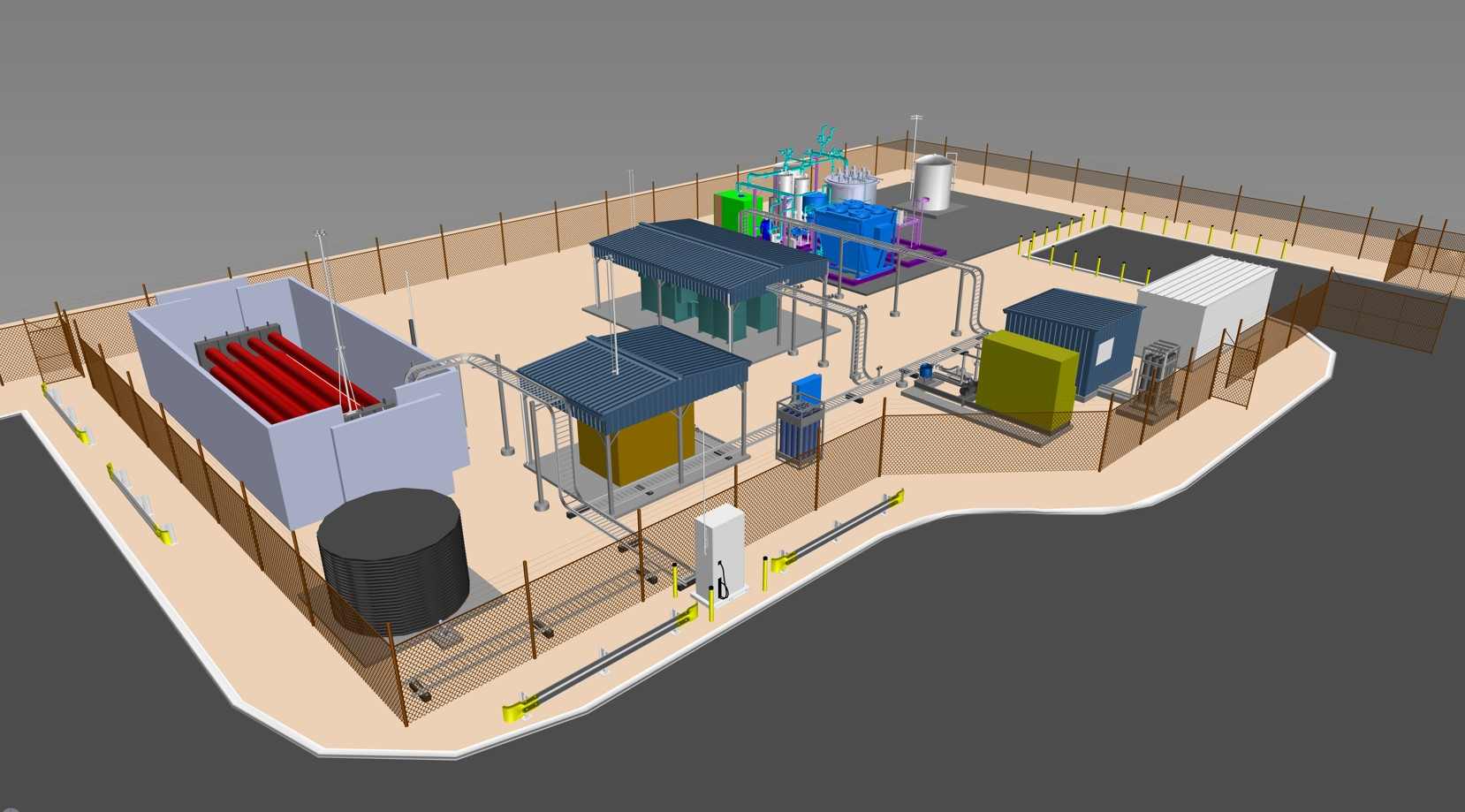
Engineering & Design
Technical Advisory & Assurance
Commissioning & Operational Readiness
Commissioning & Operational Readiness
Tell us what you're working on, and one of the people below will get back to you.
Talk directly to


Want to join us? We're always keen to hear from engineers who value strong fundamentals and real delivery experience.
Careers at Amarna