Technical Advisory & Assurance
Technical study · Engineering & Design
Managed charging, an on-site battery and rooftop solar fit a 120-bus electric fleet inside a depot's existing supply, cheaper and sooner than the network upgrade on offer.
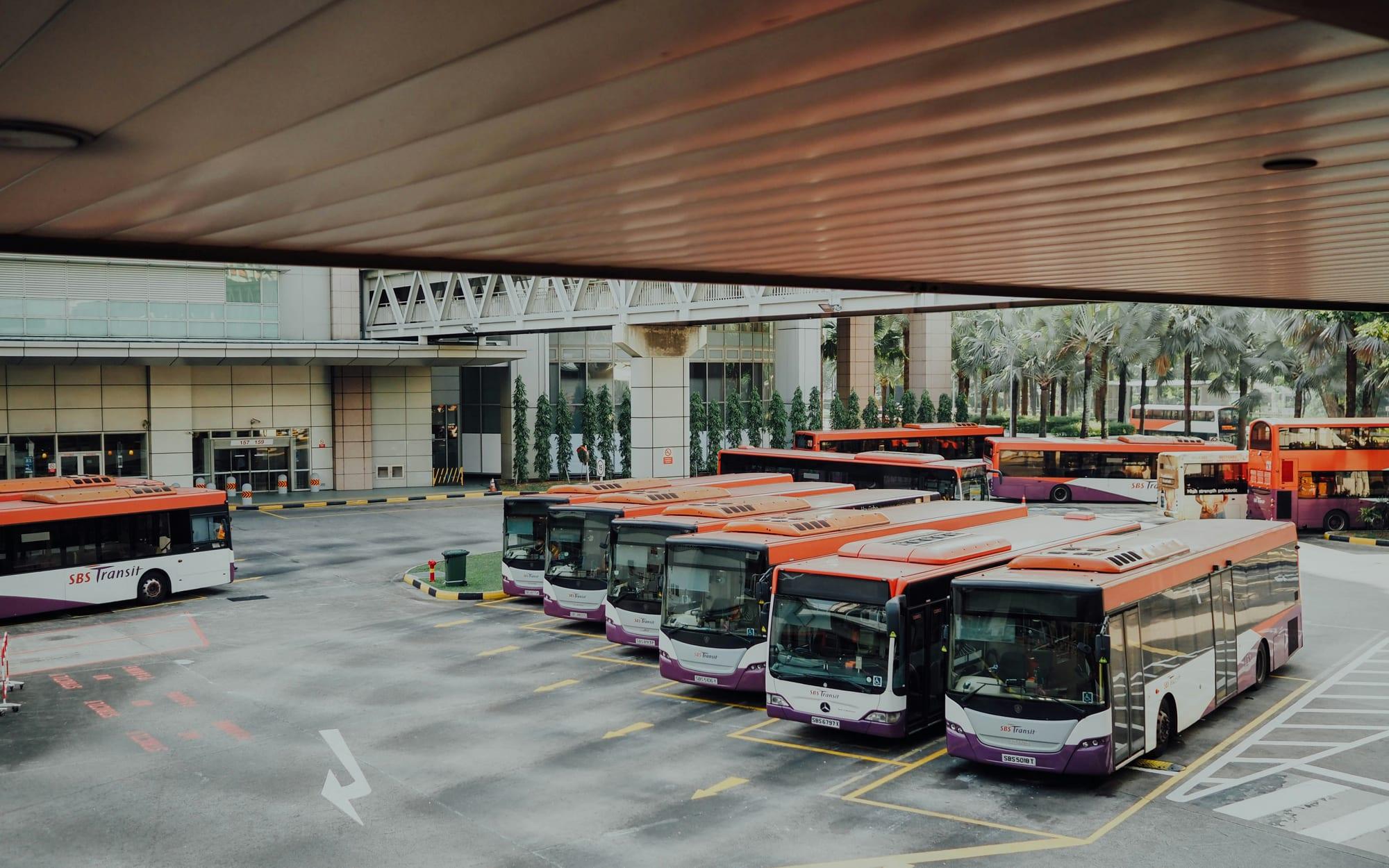
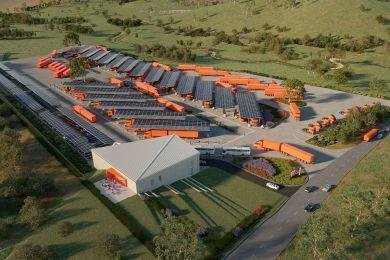
A contracted bus operator in South East Queensland had five years to move a 120-bus depot to battery-electric buses. The network provider's first offer was a new feeder and depot substation, at around $7.5 million and with a two to three year lead time.
The question they needed answered: Can the depot be electrified on schedule, and is there a cheaper way than waiting for a full network upgrade?
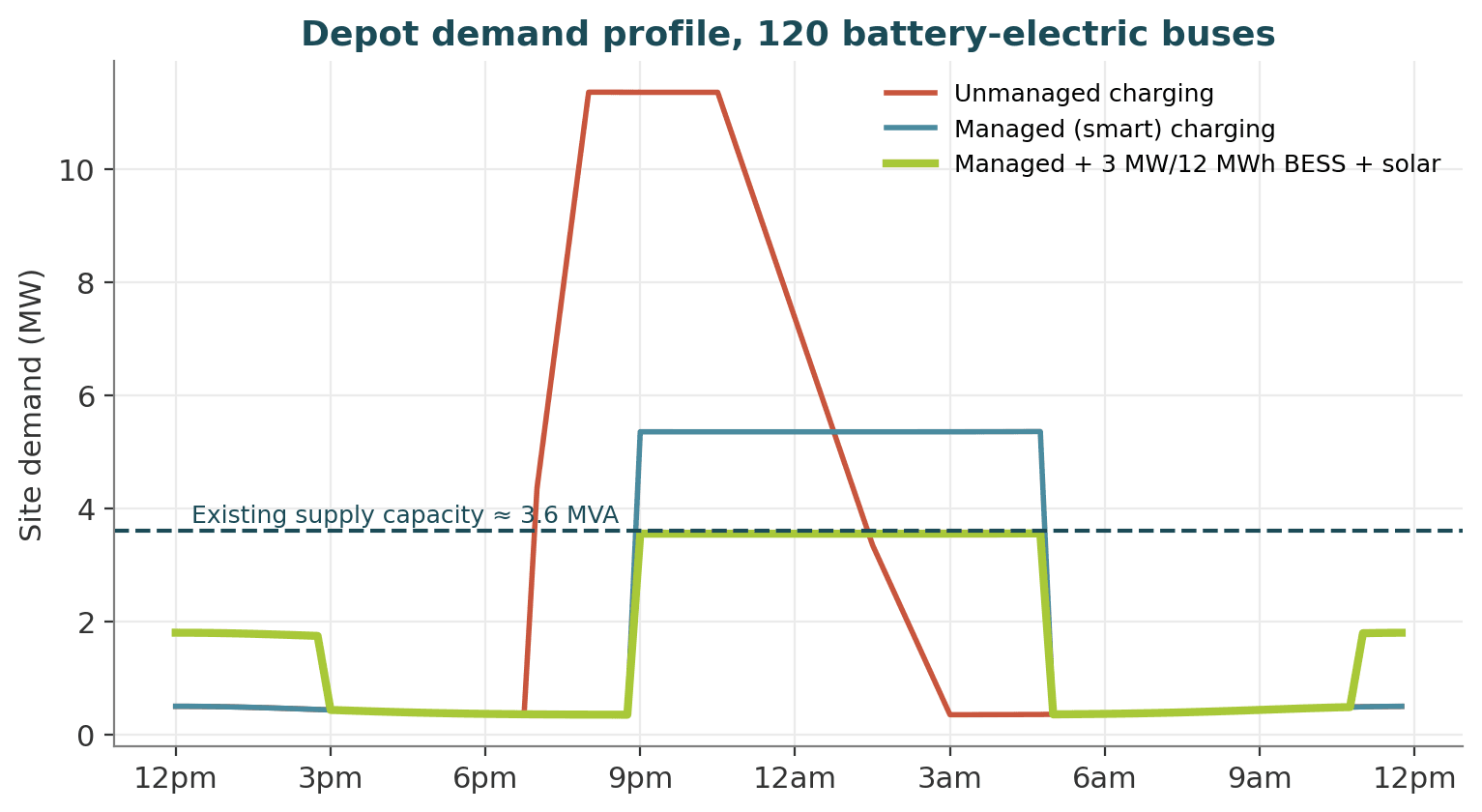
The fleet needs about 36 MWh a night and is parked for nine hours. If every bus plugs in on arrival, demand spikes past 11 MW. Spread across the night, it's about 5 MW.
With managed charging, a 3 MW / 12 MWh battery and 1 MWp of rooftop solar, the full fleet fits within the existing 3.6 MVA supply, for about $5.6 million and 12 to 15 months to energise.
Sequenced dual-outlet 150 kW chargers serve two buses each, halving the charger count. The first 40 buses need nothing beyond chargers.
If the battery is out of service, the existing supply with managed charging still delivers about 70% of the overnight energy. A modular battery and charging prioritised by each bus's next-morning block keep the timetable running.
Deferring the $7.5 million upgrade by seven years is worth about $2.8 million in today's money, even if it is eventually needed.
250 km per bus per day at 1.2 kWh/km, nine-hour overnight dwell. Battery around $380/kWh installed, rooftop solar around $1.0/W. Network upgrade cost and timing typical of SEQ depot connections.
Technical Advisory & Assurance
Engineering & Design
Technical Advisory & Assurance
Engineering & Design
Project Delivery & Owner's Engineering
Tell us what you're working on, and one of the people below will get back to you.
Talk directly to


Want to join us? We're always keen to hear from engineers who value strong fundamentals and real delivery experience.
Careers at Amarna